


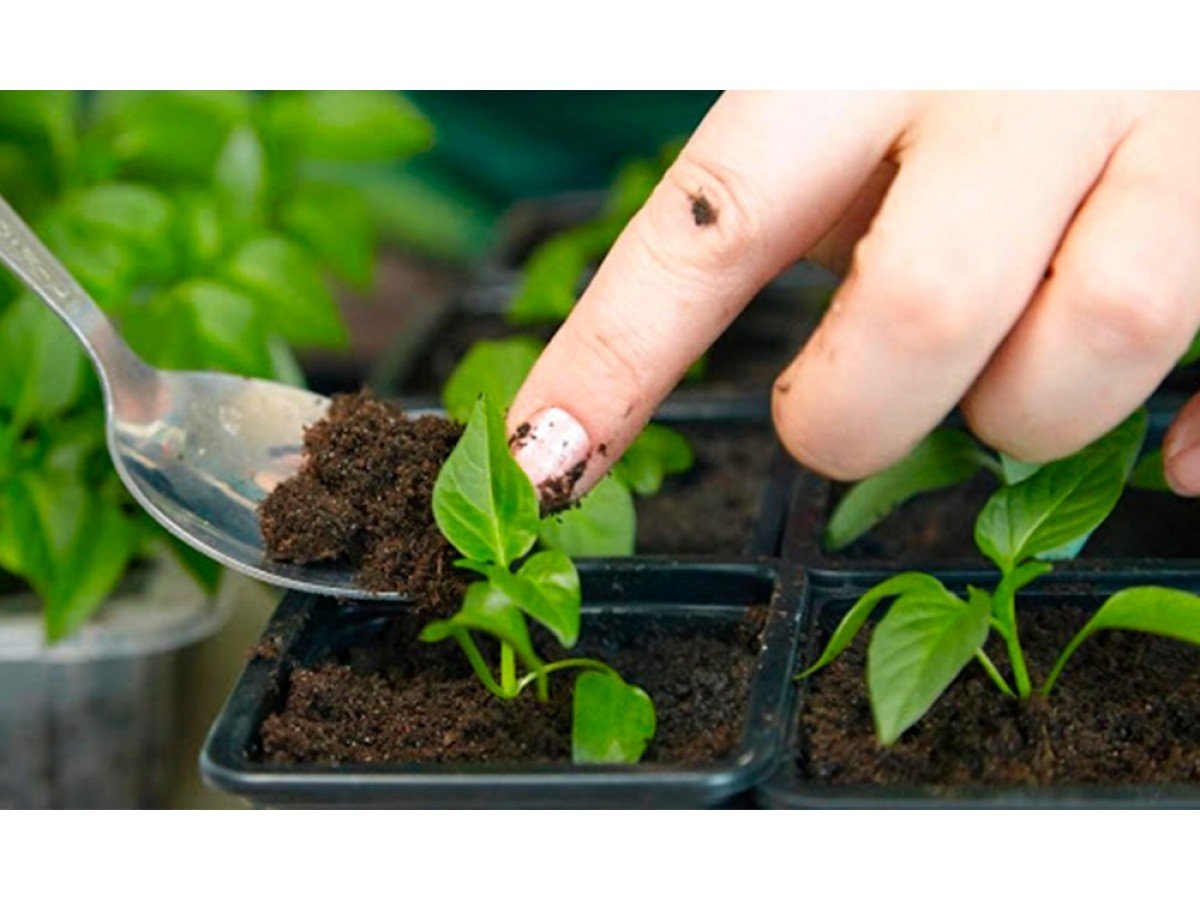
Top 5 mistakes when growing vegetables from seeds and how to avoid them
Growing seedlings is the first and most important step towards a high yield. However, it is at this stage that beginners (and even experienced gardeners) often make typical mistakes that lead to weak, elongated or diseased seedlings.
Knowing these common mistakes and how to avoid them is key to growing strong, healthy seedlings ready for transplanting outdoors.
Mistake 1: Not Following the Sowing Dates (Sowing Too Early)
Many novice gardeners sow seeds too early, wanting to harvest as soon as possible.
Consequences
The seedling grows out, stretches out, the roots entangle the pot (the root system "suffocates"). Overgrown seedlings take root much worse in a permanent place and often produce a smaller harvest.
How to avoid
Calculation: Determine the optimal time for planting seedlings in open ground for your region (after the threat of frost has passed).
Seedling age: Count back the required seedling age for your specific crop (e.g. tomatoes — 50–60 days, peppers — 60–80 days) and add 7–10 days for germination. This will be your ideal sowing date.
Varieties: Sow late varieties earlier, and early and determinant (short-growing) varieties later.
Mistake 2: Providing Insufficient Lighting
This is the most common reason why seedlings stretch. Plants "stretch" towards the light, trying to find it.
Consequences
Thin, pale, weak stem, long internodes. Such seedlings do not tolerate transplanting well and are prone to disease.
How to avoid
Location: Place the ladder on the most illuminated windowsill (usually the south one).
Additional lighting: After the seedlings appear, be sure to provide the seedlings with 12–14 hours of bright light per day. Use special phytolamps, turning them on in the morning and evening, and on cloudy days - throughout the day.
Temperature: Immediately after germination, lower the temperature to $+18... +20^\circ$C for 5–7 days. This will inhibit stem growth and allow the root system to develop.
Mistake 3: Improper Watering and Unsanitized Soil
Excessive watering combined with low temperatures and non-sterile soil creates ideal conditions for fungal diseases.
Consequences
The main danger is "black leg" (root rot), which kills young seedlings in a matter of hours. Also, excess moisture leads to root rot.
How to avoid
Soil: Use specialized disinfected soil for seedlings. If you use soil from the garden, it must be steamed or shed with a fungicide solution beforehand.
Drainage: Be sure to use containers with drainage holes . You can pour a layer of vermiculite or expanded clay on the bottom.
Watering: Follow the rule: it is better to under-water than to over-water . Water moderately, only when the top layer of soil dries out. Use settled water at room temperature.
Mistake 4: Sowing Too Densely and Untimely Picking
When seeds are sown too densely, plants compete with each other for light, water, and nutrients.
Consequences
Seedlings stretch out (see Error 2), become weak. Excessive density creates a favorable environment for the development of diseases (due to high humidity).
How to avoid
Seed distribution: If sowing in a common tray, try to distribute the seeds evenly. For small seeds, use a toothpick.
Plucking: Pluck (transplant) seedlings into individual pots as soon as 1-2 true leaves appear. Plucking gives the roots room to develop and prevents them from becoming entangled.
Sowing depth: Do not plant the seeds too deep. The optimal depth is usually 1–2 diameters of the seed itself.
Mistake 5: Ignoring Hardening
After months of comfortable life on the windowsill, seedlings are not ready for the aggressive conditions of open soil (sun, wind, temperature changes).
Consequences
Plants experience severe stress, leaves may burn in the sun or turn yellow from the cold. Adaptation after planting is delayed, which delays the start of fruiting.
How to avoid
Graduality: Begin hardening off 10–14 days before the planned planting.
Schedule: Start taking the seedlings out into the fresh air (balcony, veranda) for 1-2 hours a day , avoiding direct, scorching sun and drafts.
Increase time: Gradually increase the time the plants are outdoors each day. At the end of the hardening off period, the seedlings should be outdoors for most of the day. This will ensure rapid adaptation and active growth after transplanting.